Water Pressure Diagnosis in Waterloo, IL
Water Pressure Diagnosis checks residential pressure at fixtures and hose bibs; a typical visit runs $125–$275, depending on access and testing scope.
Hot, humid summers can push household water use higher in Waterloo, and that extra demand can make a weak shower or slow faucet more noticeable. At the Monroe County Courthouse, municipal service disruptions are not something a homeowner can fix, but a pressure test can help separate a supply issue from a plumbing problem inside the property.
Summer thunderstorms may disrupt municipal water service. If pressure drops during or just after a storm, check whether neighbors are experiencing the same change before assuming a pipe has failed.
We can compare pressure at multiple fixtures and explain what the readings show. Our team serves Waterloo’s historic buildings and homes with a diagnosis-first approach; we do not recommend a pump or valve until we have evidence it fits the problem.
A clear answer comes first. We have served Waterloo for more than 11 years, and our crew explains findings in plain language before agreeing on work.
Water Pressure Diagnosis checks residential pressure at fixtures and hose bibs; a typical visit runs $125–$275, depending on access and testing scope.
We install home booster pumps sized to demand; capacity and electrical work shape the typical $800–$2,500 range. Wind chill can freeze exposed piping, so Springfield and Decatur access matters.
We trace sudden whole-house pressure drops for Waterloo, IL homeowners, checking accessible supply lines and pressure controls; typical repair costs depend on the failed part and access, often $150–$1,200.
We locate and repair pressure-affecting water line leaks for homeowners, including accessible pipe and buried-line work; typical repairs run $250–$1,500, depending on location and excavation.
We repair residential pressure-reducing valves, including accessible valve and connection work; typical repairs run $200–$600, depending on parts and labor.
We clear residential water-line blockages and inspect accessible pipe sections; a typical visit may run $200–$800, depending on access and blockage severity.
We repair showerheads, valves, and pressure problems; typical repairs run $150–$600 depending on access and parts. Waterloo, IL seasons and lake-effect snow can affect service timing.
We repair residential water booster pumps, checking pump components and controls; typical repairs may run $150–$600, depending on parts and access.
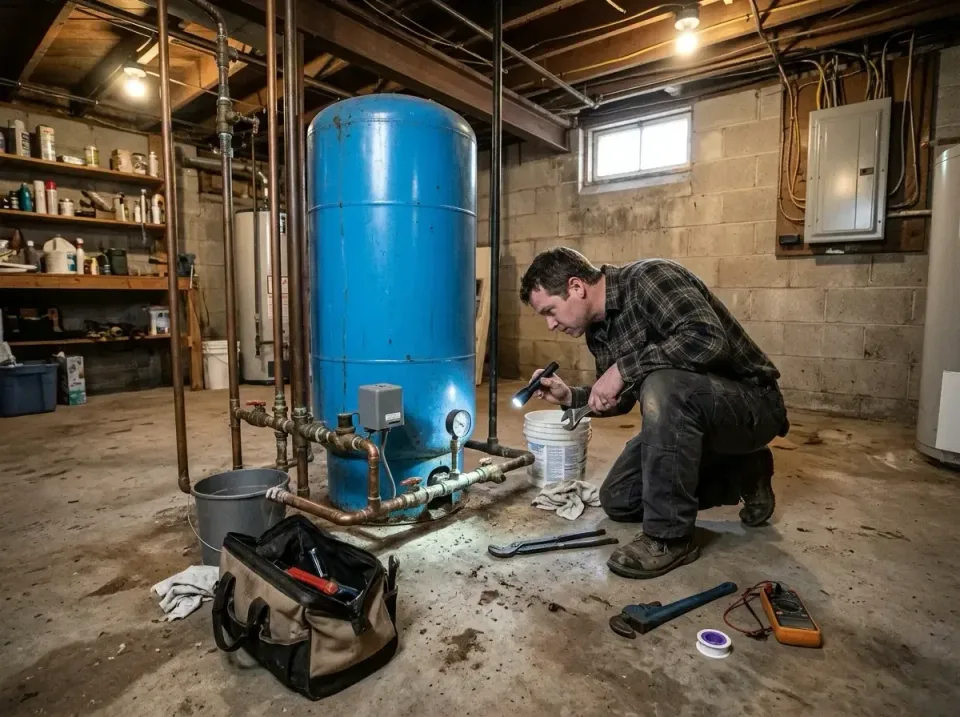
Well Water Pressure Repair addresses weak flow and cycling pumps by checking well controls, tank settings, and piping. Cost depends on the fault, parts, and access.
We clear or replace restricted faucet aerators and worn fixture parts; typical repairs run $125–$350, depending on access and parts.
We repair or replace well pressure tanks, matching tank capacity and piping; replacement commonly runs $800–$2,000. Gateway Arch travelers at O’Hare should plan for freeze-thaw strain on buried lines.
We free or replace stuck household shutoff valves, including corroded basement fittings; typical work runs $150–$500 depending on access and valve condition. Midway-area homeowners should protect exposed plumbing from...
We restore hot-water flow at residential fixtures and heater connections; typical repairs run $150–$600, depending on access and parts.
Cold winters around Waterloo can leave exposed plumbing vulnerable to freezing, so we check accessible lines and explain practical steps before temperatures fall. Freeze-thaw cycles also stress buried water lines; a pressure change after seasonal shifts may call for careful testing rather than an assumed fixture problem.
Heavy rain can reveal basement seepage, making it useful to distinguish dampness from an active plumbing leak. At the Monroe County Courthouse, nearby property owners know the value of a clear explanation before work begins.
We protect work areas and coordinate access with residents or property owners. No guesswork.
How do we approach low pressure in Waterloo? We start by asking where and when it happens, then compare readings at more than one fixture.
Spring rainfall can saturate soil around buried service lines, so a sudden change after wet weather deserves a check for a service-line issue rather than a quick pump recommendation. Severe storms can also interrupt power to booster pumps; tell our crew if the pressure change followed an outage. Snow and ice can delay access to outdoor plumbing, so we confirm safe access before testing.
Near Waterloo City Hall, the same careful sequence helps distinguish a fixture issue from a wider supply problem. We inspect accessible valves and pressure controls, explain what we find, and agree on the repair before starting. For service in Waterloo ZIP code 62298, call (877) 773-0781.
Does a mild winter rule out a water pressure problem? No. Near the Waterloo Historic District, older buildings can have plumbing arrangements that make access and diagnosis an important part of the job.
A hot-water-only pressure drop may point toward a restriction on the hot side, so our team checks whether cold taps maintain normal flow before discussing water heater repair. If pressure is low throughout a property supplied by a well, a worn well pressure tank can affect delivery; we inspect the tank and system before recommending a change.
A main water line problem needs different evidence, such as a pressure drop across the service. You can compare hot and cold taps at one sink; bring us in when the difference persists.
Before a repair, locate the main water shutoff so the affected line can be isolated safely. In Waterloo, our crew checks access with the owner and explains when water service must be paused.
Admin. Code 890, sets statewide plumbing requirements; local permit or inspection needs depend on the scope of work and the authority having jurisdiction.
Skipping a required inspection can leave work undocumented and complicate later service or property review.
A kitchen faucet with weak hot flow should be tested against its cold side before changing parts. We explain applicable requirements and coordinate access before work begins.
Get a clear diagnosis and an agreed repair plan from a plumbing team serving communities across Illinois.
Technicians check pressure at fixtures and key points in the system, then explain what they find. You can understand the likely cause and confirm the repair plan before work begins.
The team’s experience with Illinois homes includes older galvanized lines and basement shutoff valves, which can affect pressure. That background helps guide a focused diagnosis instead of guessing at the cause.
The team coordinates job-site access and local permit requirements when the work calls for them. You can discuss access needs and the agreed scope with the crew before the repair visit.
The crew checks the system, explains the findings, and confirms the repair plan with you.
Discuss Symptoms
The team asks which fixtures are affected and when pressure changes. This helps narrow the diagnostic focus and gives the technician useful context before checking the plumbing.
Check Pressure
A technician checks pressure at fixtures and key points in the system, locating the main water shutoff as needed. You get findings based on the plumbing itself, not guesswork.
Confirm the Plan
The technician explains the diagnosis and proposed repair, including relevant access or permit needs. You confirm the scope before the crew proceeds with the agreed work.
Verify Stability
After the repair or adjustment, the crew measures pressure again and checks that it remains stable. The team protects nearby floors and cabinets and confirms the work area before wrapping up.
Sputtering at a faucet can point to air or debris affecting flow. Notice whether it happens at one fixture or several, and whether it continues after the tap has run briefly. That detail can help distinguish a local fixture issue from a wider plumbing concern.
A visible pipe leak can affect how water moves through the system. Look for dampness, drips, or water marks near accessible plumbing, and note where they appear. A leak’s location can help a plumber assess whether it may be connected to pressure changes.
Debris caught in a faucet aerator can restrict flow at that fixture. If the screen looks clogged, note whether other taps behave normally. A single affected faucet may point to a fixture-level issue rather than a pressure problem throughout the plumbing system.
Severe spring thunderstorms can bring heavy rain around homes and plumbing access points. If you notice a change in water pressure after wet weather, arranging an assessment can help identify whether the plumbing needs attention before the issue persists.
Summer is a practical time to address a pressure concern while planning household plumbing work. A technician can check fixtures and key points in the system, explain the findings, and help you decide on a repair plan that fits the home.
Fall offers a chance to check plumbing pressure before colder weather arrives. A technician can assess the system and identify concerns such as older lines or shutoff valves that may need attention, giving you time to consider the repair plan.
Cold, wet winters can bring freeze-thaw cycles that affect plumbing, especially older lines. If you have a pressure concern, a technician can check the system and explain whether a repair is needed, with access coordinated for the work.
Permit requirements depend on the work. Ask the provider to explain whether permits apply and how they coordinate local requirements, so responsibilities are clear before the job proceeds.
Ask how the provider schedules diagnosis and repair visits across the area. A clear answer helps you plan for the technician’s arrival and understand how the visit will be coordinated.
A clear scope identifies the work being proposed and helps prevent misunderstandings. Ask what the technician found, what repair is included, and whether any separate work may be needed.
Plumbing access may involve areas such as cabinets, basements, or utility spaces. Ask where the technician needs access and how to prepare the area so the visit can proceed with less disruption.
Reviewing the service terms helps you understand the agreed scope, any applicable permit coordination, and what to expect from the visit. Ask for clarification before approving the work.
Request a quote online or contact our Waterloo, IL team directly by phone or email.
Watch for these warning signs: visible damage, active leaks or water intrusion, unusual noises, rising energy bills, or a system older than 15–20 years. If you spot any of these, call us immediately for a free assessment early action prevents far costlier repairs.
Costs depend on the scope of work, materials, and your location. We provide a detailed written estimate before any work starts no hidden fees, no surprises. Call us or fill out the quote form above to get a number specific to your property.
Most requests receive a same-day or next-business-day response. For emergency situations, call us directly we maintain priority scheduling for urgent cases across States.
Yes. Every provider in our network carries the required state and local licenses, general liability insurance, and workers’ compensation coverage. We verify credentials before connecting you with anyone.
We operate across Illinois. Browse our state pages to find the cities we serve in your area.
Ask for proof of license and insurance, a written scope of work, a detailed cost breakdown, timeline, warranty terms, and references from recent local jobs. Never pay the full amount upfront.
Low Water Pressure Repair is also available in these nearby communities across Illinois.