Water Pressure Diagnosis in Glen Ellyn, IL
Water Pressure Diagnosis checks residential pressure at fixtures and hose bibs; a typical visit runs $125–$275, depending on access and testing scope.
A weak shower stream near Lake Ellyn can point to a pressure problem affecting more than one fixture. Our team checks the water supply and plumbing before recommending a repair, so Glen Ellyn homeowners know what is reducing flow.
Hot, humid summers can raise household water demand, making pressure changes more noticeable when several fixtures run. Summer thunderstorms can also disrupt municipal water service; if pressure drops suddenly after a storm, note whether neighbors are affected and whether the change persists. Glenbard West High School and the Glen Ellyn Public Library are familiar local reference points for our Glen Ellyn service calls.
We serve homes in Arboretum Estates and Saddlewood, including properties where the issue may be limited to one fixture or affect the whole house. Our crew explains the findings, repair options, and access needed before work begins.
Have a sudden drop or a shower that stays weak?
Water Pressure Diagnosis checks residential pressure at fixtures and hose bibs; a typical visit runs $125–$275, depending on access and testing scope.
We install home booster pumps sized to demand; capacity and electrical work shape the typical $800–$2,500 range. Wind chill can freeze exposed piping, so Springfield and Decatur access matters.
We trace sudden whole-house pressure drops for Glen Ellyn, IL homeowners, checking accessible supply lines and pressure controls; typical repair costs depend on the failed part and access, often $150–$1,200.
We locate and repair pressure-affecting water line leaks for homeowners, including accessible pipe and buried-line work; typical repairs run $250–$1,500, depending on location and excavation.
We repair residential pressure-reducing valves, including accessible valve and connection work; typical repairs run $200–$600, depending on parts and labor.
We clear residential water-line blockages and inspect accessible pipe sections; a typical visit may run $200–$800, depending on access and blockage severity.
We repair showerheads, valves, and pressure problems; typical repairs run $150–$600 depending on access and parts. Glen Ellyn, IL seasons and lake-effect snow can affect service timing.
We repair residential water booster pumps, checking pump components and controls; typical repairs may run $150–$600, depending on parts and access.
Well Water Pressure Repair addresses weak flow and cycling pumps by checking well controls, tank settings, and piping. Cost depends on the fault, parts, and access.
We clear or replace restricted faucet aerators and worn fixture parts; typical repairs run $125–$350, depending on access and parts.
We repair or replace well pressure tanks, matching tank capacity and piping; replacement commonly runs $800–$2,000. Gateway Arch travelers at O’Hare should plan for freeze-thaw strain on buried lines.
We free or replace stuck household shutoff valves, including corroded basement fittings; typical work runs $150–$500 depending on access and valve condition. Midway-area homeowners should protect exposed plumbing from...
We restore hot-water flow at residential fixtures and heater connections; typical repairs run $150–$600, depending on access and parts.
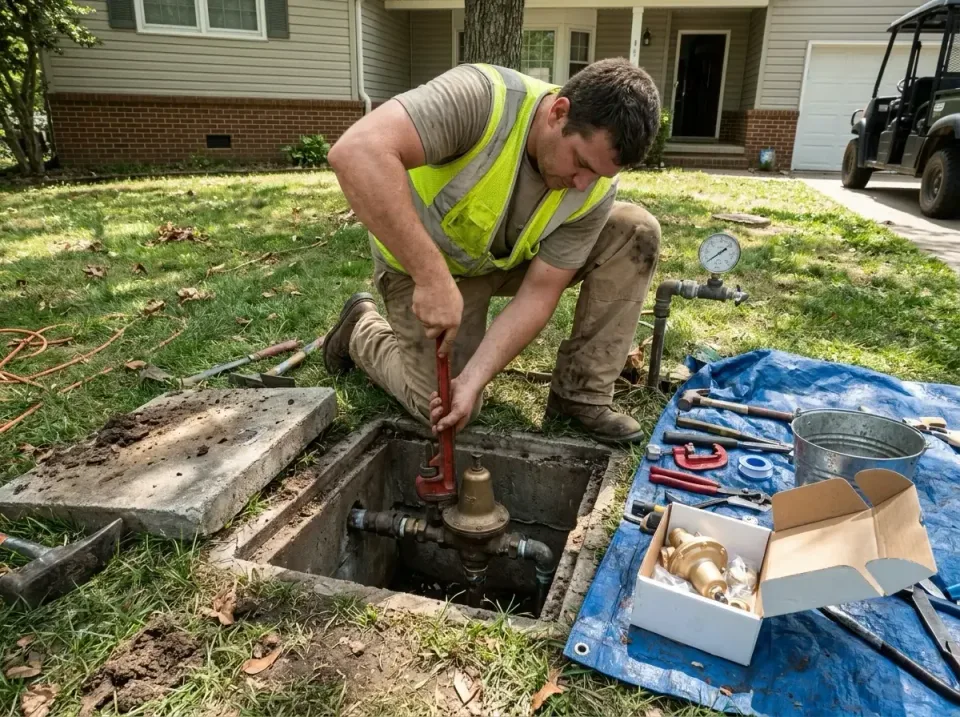
Glen Ellyn’s Glen Ellyn Village Hall and College of DuPage help anchor our local service area; homes here can have different pressure issues depending on their plumbing and access. Four distinct seasons bring changing demands on water lines, so our crew asks when the problem began and whether it affects hot, cold, or both supplies.
Freeze-thaw cycles can stress buried water lines, so we consider the service line when pressure falls across multiple fixtures rather than assuming a faucet is at fault. Heavy rain may expose drainage or basement seepage problems; tell us if you have noticed water near a basement foundation.
Lakefront areas can experience lake-effect snow, which may complicate access during winter visits. We schedule with occupants, explain our findings plainly, and complete agreed work to applicable requirements.
When upstairs taps barely run or faucets slow as appliances operate, our crew checks whether the pressure loss is isolated or affects the whole Glen Ellyn home. Snow and ice can delay access to a property, so we coordinate the visit and confirm a clear path to the meter or utility area. Cold winters also raise the risk of frozen pipes and outdoor plumbing problems; check exposed taps for visible frost, but do not use an open flame to thaw a pipe.
In spring, rainfall can saturate soil around buried service lines. If pressure has fallen throughout the house, our team can inspect accessible plumbing and investigate a possible service-line issue; note whether nearby fixtures change when one tap runs.
Seasonal temperature swings can cause pipe expansion and contraction, which is one reason we ask when symptoms appear and whether they recur. We serve Glen Ellyn ZIP codes 60137 and 60138.
A weak stream at a home near Lake Ellyn deserves a measured check, not an automatic pump recommendation. Drought periods can strain private well supplies, so well owners should note whether pressure changes as the pump runs.
Our crew investigates the main water line when pressure is low at several fixtures, then checks accessible controls and connections. A pressure-reducing valve can also restrict flow when it is not working properly; we inspect its condition rather than adjusting it by guesswork.
Before we arrive, compare a nearby cold tap with another fixture and tell us what you observe. If the cause remains unclear, we can diagnose the system and explain repair options.
We serve Glen Ellyn homeowners in Arboretum Estates, Saddlewood, East Wheaton, and Briarcliffe Knolls. In Arboretum Estates, tell us whether weak flow affects one bathroom or several fixtures so we can focus the first checks.
In Saddlewood, a shower that loses pressure when another tap opens is useful evidence for our diagnosis. For East Wheaton calls, we ask whether hot and cold taps behave differently before tracing the likely restriction. In Briarcliffe Knolls, note any recent change in flow and which fixtures are affected.
Questions such as whether a pressure regulator can cause low water pressure are answered by testing its operation, not by replacing it on suspicion. A clogged line can reduce flow, and a well pressure tank may require attention if a private system cycles unusually.
Our team uses the symptoms and site access to identify the next check. Share your neighborhood and the affected fixtures when arranging service.
Get a clear diagnosis and a repair plan that fits your home.
Technicians check pressure at fixtures and key points in the system, then explain what they find. You can understand the likely cause before deciding which repair makes sense.
That experience helps guide a focused diagnosis.
The technician confirms the repair plan with you before work proceeds. The team also coordinates job-site access and local permit requirements when the work calls for them.
The visit moves from understanding the symptoms to checking pressure and confirming the work area.
Discuss Symptoms
Tell the team which fixtures are affected and when pressure changes. That gives the technician useful context and helps focus the diagnosis on the right parts of the system.
Check the System
The technician identifies the main shutoff and checks pressure at fixtures and key points. You get an explanation of the findings before choosing a repair plan.
Make the Repair
With the repair plan confirmed, the technician protects nearby floors and cabinets and completes the agreed work. Pump electrical power is isolated before service when applicable.
A toilet tank takes longer than usual to refill. Notice whether the change is consistent, and consider whether other fixtures behave differently; those details can help describe the pattern.
A recently installed fixture delivers less flow than expected. The fixture or its connection may need attention, so note whether other taps in the home still perform normally.
Spring severe storms can interrupt electrical service or affect water systems that depend on a pump. If pressure changes after storm-related disruptions, a plumbing professional can check the system and explain what needs attention.
Summer routines can mean more simultaneous water use at home. If pressure concerns show up during ordinary household activity, diagnosis can help distinguish a plumbing issue from changing demand.
Fall is a practical time to check plumbing concerns before colder weather arrives. A technician can assess pressure and discuss whether exposed or older lines may need attention before freeze-thaw conditions.
Lake-effect snow is possible in the region, and winter freeze-thaw cycles can affect plumbing lines. If pressure changes during cold-weather periods, a professional can inspect the system and identify a suitable repair.
Fluctuating Shower Flow
Before: Water pressure fluctuates during showers, making the change difficult to describe from memory alone. Noting when it happens and which other fixtures are in use can give the technician helpful context.
After: The technician checks pressure at fixtures and key points in the system, measures before and after adjustments, and confirms pressure stability before closing the work area. The findings and repair plan are explained.
Ask whether the technician may need access to the main shutoff, basement plumbing, pump equipment, or cabinets. Preparing the relevant area can make the visit easier and help protect household belongings.
Ask for the proposed work and any applicable terms to be explained before authorizing it. Reviewing the scope, responsibilities, and permit coordination helps you make an informed decision about the service.
Request a quote online or contact our Glen Ellyn, IL team directly by phone or email.
A sudden drop may come from a supply-side issue, a restriction, or a problem affecting the home’s plumbing. Check whether several fixtures are weak and ask whether neighbors noticed a change; that helps distinguish a house-specific problem from a broader service disruption. Our crew can test the system and explain the findings.
Yes. A regulator that is restricted or malfunctioning can reduce flow through the home. Avoid turning its adjustment screw without a pressure reading; our team can inspect the valve and verify pressure before recommending repair.
Low Water Pressure Repair is also available in these nearby communities across Illinois.