Water Pressure Diagnosis in La Grange Park, IL
Water Pressure Diagnosis checks residential pressure at fixtures and hose bibs; a typical visit runs $125–$275, depending on access and testing scope.
Summer showers can expose a pressure problem fast. Near Kiwanis Park, hot, humid weather can raise household water use, so a shower stream that weakens when someone runs an appliance deserves a closer look. We test before recommending a repair.
A sudden drop may also coincide with a summer thunderstorm that disrupts municipal water service. If pressure falls across the house, note whether it returns after the storm and whether both hot and cold taps are affected. That clue helps our crew separate a supply change from a problem inside your home.
La Grange Park Public Library is one familiar point in the community we serve; our team schedules diagnosis and repair for local homes, including brick bungalows and two-story frame houses. We check accessible shutoffs, pressure controls, and piping, then explain what we find in plain language. Short, clear answers matter.
We’ll identify the likely source, discuss repair options, and complete the agreed work to applicable requirements.
Water Pressure Diagnosis checks residential pressure at fixtures and hose bibs; a typical visit runs $125–$275, depending on access and testing scope.
We install home booster pumps sized to demand; capacity and electrical work shape the typical $800–$2,500 range. Wind chill can freeze exposed piping, so Springfield and Decatur access matters.
We trace sudden whole-house pressure drops for La Grange Park, IL homeowners, checking accessible supply lines and pressure controls; typical repair costs depend on the failed part and access, often $150–$1,200.
We locate and repair pressure-affecting water line leaks for homeowners, including accessible pipe and buried-line work; typical repairs run $250–$1,500, depending on location and excavation.
We repair residential pressure-reducing valves, including accessible valve and connection work; typical repairs run $200–$600, depending on parts and labor.
We clear residential water-line blockages and inspect accessible pipe sections; a typical visit may run $200–$800, depending on access and blockage severity.
We repair showerheads, valves, and pressure problems; typical repairs run $150–$600 depending on access and parts. La Grange Park, IL seasons and lake-effect snow can affect service timing.
We repair residential water booster pumps, checking pump components and controls; typical repairs may run $150–$600, depending on parts and access.
Well Water Pressure Repair addresses weak flow and cycling pumps by checking well controls, tank settings, and piping. Cost depends on the fault, parts, and access.
We clear or replace restricted faucet aerators and worn fixture parts; typical repairs run $125–$350, depending on access and parts.
We repair or replace well pressure tanks, matching tank capacity and piping; replacement commonly runs $800–$2,000. Gateway Arch travelers at O’Hare should plan for freeze-thaw strain on buried lines.
We free or replace stuck household shutoff valves, including corroded basement fittings; typical work runs $150–$500 depending on access and valve condition. Midway-area homeowners should protect exposed plumbing from...
We restore hot-water flow at residential fixtures and heater connections; typical repairs run $150–$600, depending on access and parts.
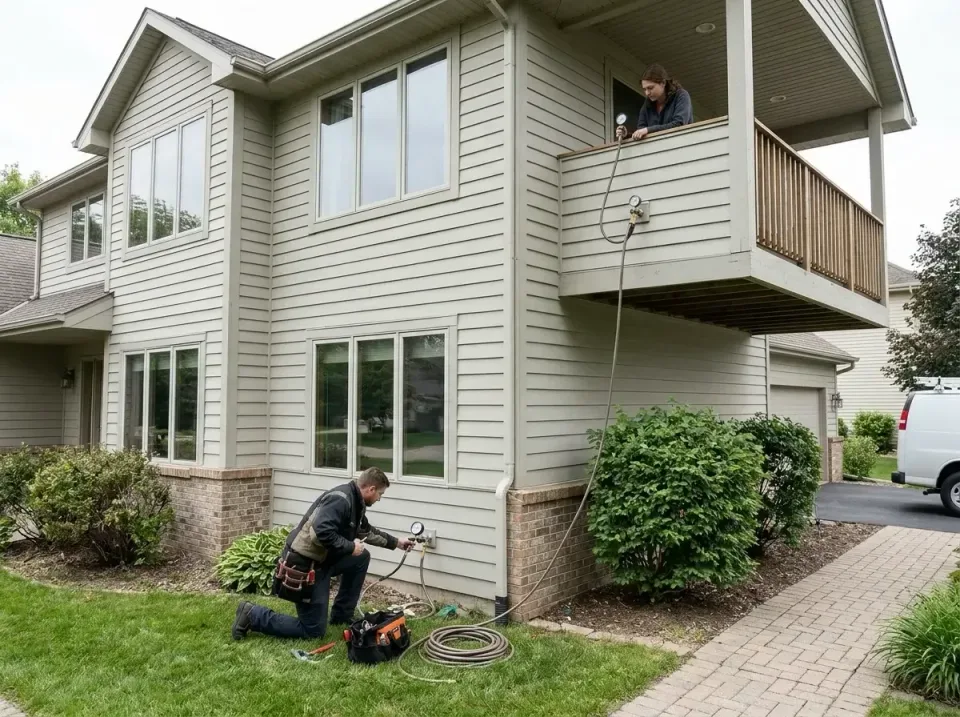
Salt Creek Trail gives La Grange Park residents a familiar route through the community, while snowy winter periods can make exposed plumbing a concern when water pressure changes. We check the symptom and its location before suggesting a fix.
Our team asks when the pressure changed, checks the fixtures and accessible controls, and explains the findings before work begins. You can expect a clear discussion of options, access needs, and any water shutoff required. We respect occupied homes and protect the work area. Call (877) 773-0781 to schedule service or ask what access to prepare.
Weak showers throughout a La Grange Park home, slow faucets when appliances run, or upstairs taps with little flow can point to different restrictions. Seasonal temperature swings can expand and contract piping; spring rain can saturate soil around buried service lines.
We compare pressure at several fixtures and inspect accessible valves and lines before choosing a repair. Start with a simple check: run one cold tap, then another, and note whether both weaken.
A shutoff valve that is not fully open can limit flow, while a well system may need its pump or tank checked. Lake-influenced temperature changes do not identify the fault by themselves, so our crew tests rather than guesses.
We serve La Grange Park, IL, and check pressure problems in homes across the ZIP code. If the pattern persists, we can assess the system and explain the next step.
Older sewer and plumbing systems in La Grange Park can make a pressure complaint harder to trace: a slow tap may come from a restricted pipe, a valve, or a supply issue. Near Salt Creek Trail, our crew still starts with fixture-by-fixture checks rather than assuming every older line is at fault.
Bring us the pattern. A safe first check is to compare one cold tap and one hot tap; avoid forcing a stiff valve.
Cold winters can freeze exposed plumbing, so a sharp drop after freezing weather deserves a check of accessible pipes and shutoffs. We use pressure readings and visual inspection to narrow the cause before discussing repairs.
If the weak flow is limited to hot taps, tell us; that points the investigation in a different direction. We can arrange a La Grange Park visit and explain what we find.
Admin. Before work starts, our team explains whether the proposed scope calls for local approval or inspection and coordinates access where required. Keep records of completed work.
Skipping a required permit or inspection can leave work unverified and complicate later repairs. We check requirements before altering plumbing and explain the applicable steps.
Get a clear diagnosis and a repair plan matched to your home’s plumbing.
The team’s work in Illinois homes includes older galvanized lines and basement shutoff valves, both relevant when tracking pressure problems. That background helps shape a practical inspection for your home.
Technicians protect floors and cabinets near plumbing access and confirm pressure stability before closing the work area. You get clear communication about the repair and the condition of the system.
The visit moves from understanding the symptoms to checking the repair result.
Check Pressure
A technician checks pressure at affected fixtures and key points in the system, locating the main water shutoff as needed. You hear what the tests show before a repair is chosen.
Agree on Repair
The technician explains the findings and confirms the repair plan with you. When the work calls for it, the team coordinates job-site access and local permit requirements before proceeding.
Verify Results
After the repair or adjustment, the technician measures pressure again and checks its stability. The work area is closed only after the results are confirmed and the area is left protected.
Debris on a faucet aerator is a visible sign to pay attention to. If you find grit or buildup while cleaning the screen, note which fixture it came from and whether the flow changes afterward.
An uneven spray from a showerhead can be an early clue that its openings need attention. Notice whether the pattern stays irregular after cleaning the head, and tell a plumber which fixture is affected.
A toilet tank that takes longer than usual to refill is a change worth tracking. Compare its refill behavior over time and note whether other water use in the home seems to affect it.
Lake-influenced temperature swings can follow snowy winter periods and put attention on plumbing conditions around the home. Spring is a useful time to address pressure concerns noticed during winter and check whether they persist.
Summer routines can bring more simultaneous water use at home, making existing pressure concerns easier to notice. A repair visit can help identify whether the issue is limited to certain fixtures or affects the wider system.
Fall is a practical time to review plumbing concerns before snowy winter periods return. A technician can check pressure and explain findings, giving you a clearer picture of any repair needs before colder weather.
Snowy winter periods and temperature swings can affect plumbing conditions in Illinois homes. If pressure concerns arise, a technician can inspect the system and discuss a repair plan suited to the issue and site access.
Permit requirements can depend on the work involved and the property. Ask whether local requirements apply and who coordinates them, so responsibilities are clear before work begins.
Ask how the proposed scope, approvals, and any changes are documented. Reviewing the terms before authorizing work helps you understand what has been agreed and how additional findings will be handled.
Request a quote online or contact our La Grange Park, IL team directly by phone or email.
Note whether the change affects hot and cold taps, and whether it happens at several fixtures. Check that an accessible main shutoff handle appears fully open, but do not force a stiff valve. If pressure remains low, our team can test the system and trace the cause.
If faucets slow when an appliance uses water, the issue may involve restricted piping, a valve, or the available supply. Observe whether the slowdown affects one fixture or the whole home, then share that detail with our crew.
Yes. When cold taps work normally but hot water flow is weak, the restriction may be on the hot-water side. Tell us which fixtures are affected and whether the change began suddenly; we can inspect the relevant piping and controls.
Low Water Pressure Repair is also available in these nearby communities across Illinois.