Water Pressure Diagnosis in New Lenox, IL
Water Pressure Diagnosis checks residential pressure at fixtures and hose bibs; a typical visit runs $125–$275, depending on access and testing scope.
At New Lenox Village Commons, busy household routines make a weak shower stream hard to ignore. Our team serves homes in Steele and Brisbane, where low pressure can come from a restriction, a leak, or a control that is not working properly.
Freeze-thaw cycles can stress buried water lines; if pressure falls after winter weather, we check the service line before recommending a repair. Hot, humid summers can also raise household water demand, so a pressure problem may become more noticeable when several fixtures run. We test rather than guess.
We have served New Lenox for 11+ years, and we protect floors and work areas during testing and repairs.
Call (877) 773-0781 to arrange service in New Lenox. We’ll identify the likely source, explain your options, and complete the agreed work to applicable requirements.
Water Pressure Diagnosis checks residential pressure at fixtures and hose bibs; a typical visit runs $125–$275, depending on access and testing scope.
We install home booster pumps sized to demand; capacity and electrical work shape the typical $800–$2,500 range. Wind chill can freeze exposed piping, so Springfield and Decatur access matters.
We trace sudden whole-house pressure drops for New Lenox, IL homeowners, checking accessible supply lines and pressure controls; typical repair costs depend on the failed part and access, often $150–$1,200.
We locate and repair pressure-affecting water line leaks for homeowners, including accessible pipe and buried-line work; typical repairs run $250–$1,500, depending on location and excavation.
We repair residential pressure-reducing valves, including accessible valve and connection work; typical repairs run $200–$600, depending on parts and labor.
We clear residential water-line blockages and inspect accessible pipe sections; a typical visit may run $200–$800, depending on access and blockage severity.
We repair showerheads, valves, and pressure problems; typical repairs run $150–$600 depending on access and parts. New Lenox, IL seasons and lake-effect snow can affect service timing.
We repair residential water booster pumps, checking pump components and controls; typical repairs may run $150–$600, depending on parts and access.
Well Water Pressure Repair addresses weak flow and cycling pumps by checking well controls, tank settings, and piping. Cost depends on the fault, parts, and access.
We clear or replace restricted faucet aerators and worn fixture parts; typical repairs run $125–$350, depending on access and parts.
We repair or replace well pressure tanks, matching tank capacity and piping; replacement commonly runs $800–$2,000. Gateway Arch travelers at O’Hare should plan for freeze-thaw strain on buried lines.
We free or replace stuck household shutoff valves, including corroded basement fittings; typical work runs $150–$500 depending on access and valve condition. Midway-area homeowners should protect exposed plumbing from...
We restore hot-water flow at residential fixtures and heater connections; typical repairs run $150–$600, depending on access and parts.
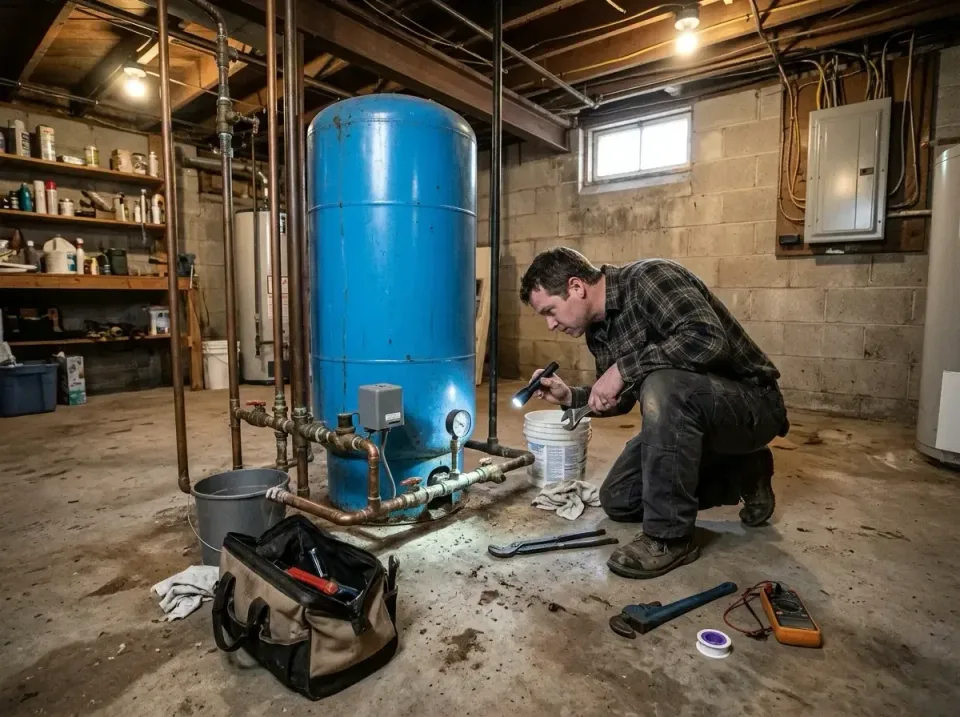
New Lenox homes near Lincoln-Way Central High School include different plumbing layouts, and a pressure issue can affect a whole home or only one fixture. Seasonal temperature swings can make pipes expand and contract; our crew checks accessible piping and connections before settling on a cause.
Spring rainfall can saturate soil around buried service lines, so a sudden change may warrant checking the service line as well. Snow and ice can delay access, so clear a path to the meter or utility area when possible.
We schedule visits for local residents and property owners, test the system, explain what we find, and agree on the repair before work begins. Expect our team to respect the home and coordinate access with occupants. No guesswork.
A shower that weakens when the washer runs can point to a flow restriction or a system that cannot keep up. New Lenox has both postwar brick ranches and newer two-story subdivisions, so our crew checks the pressure at more than one fixture before choosing a repair. You can safely compare two taps while one appliance runs and note whether both streams change.
Heavy rain may expose drainage or basement seepage problems; if water appears near a basement service line, tell us rather than opening or tightening fittings. Severe storms can cut power to booster pumps, so check whether the pump has power only if its controls are safely accessible. We serve ZIP code 60451.
A well pump that cycles repeatedly or pressure that fades at the tap calls for checking the supply and controls, not just replacing a fixture. At New Lenox Public Library, residents can find local information, but a pressure regulator issue at home needs a plumbing inspection.
On a private well, drought periods can strain supply; our team checks the pressure system and explains whether the well-side equipment needs attention. A safe first check is to note whether several fixtures lose pressure together.
If pressure stays low throughout the house, we measure before recommending a regulator adjustment or repair. Water heater repair is relevant when only hot taps lose pressure; we compare hot and cold flow to help distinguish a heater-side restriction from a broader supply issue.
Skipping a required inspection can leave altered plumbing undocumented and create problems during later service or property work.
We also confirm pressure stability before closing the work area, so the repair is checked under operating conditions. Call (877) 773-0781 to discuss a New Lenox pressure issue.
Get a clear diagnosis and a repair plan that fits your home.
Technicians check pressure at fixtures and key points in the system, then explain what they find. You can understand the likely cause before deciding which repair fits.
The crew discusses the findings and confirms the repair plan with you before work proceeds. They also coordinate site access and local permit requirements when the work calls for them.
The crew checks the pressure, explains the findings, and confirms the repair plan with you.
Discuss Symptoms
You describe where pressure is low and when it happens. The crew confirms which fixtures are affected and uses those details to focus the diagnosis.
Check The System
A technician locates the main shutoff and checks pressure at fixtures and key system points. You get an explanation of the findings and possible causes.
Confirm The Plan
The technician reviews the diagnosis and proposed repair with you before proceeding. If the work calls for permits, the team coordinates the local requirements.
Complete And Check
The crew protects nearby floors and cabinets, performs the agreed work, and checks pressure afterward. You get confirmation that pressure is stable before the work area is closed.
A faucet that sputters or spits air can signal a change in the water supply or plumbing. Notice whether it happens repeatedly and which fixtures are affected; that detail can help a technician narrow down the cause.
Water that briefly looks cloudy after a tap starts may point to air or disturbance in the line. If the appearance keeps returning, note which faucet is involved and whether the water clears without ongoing changes.
A new hiss, rattle, or knocking sound near plumbing can accompany a change in how water moves through a line. Pay attention to where the sound occurs and whether it happens when a specific fixture is used.
Lake-influenced temperature swings can bring repeated shifts between cold and mild conditions. Spring is a practical time to check pressure changes noticed around the home and have a technician assess plumbing access and the system.
Warm weather and changing household water use can make pressure concerns easier to notice during everyday routines. A summer visit gives the crew a chance to check fixtures and system pressure and explain what may need attention.
As temperatures shift, homeowners may want to address pressure concerns before colder conditions arrive. A fall diagnosis can identify plumbing issues and clarify whether any repair or access planning is needed.
Snowy winter periods and freeze-thaw swings can affect plumbing conditions around Illinois homes. A winter pressure check can help identify where the system needs attention and give you a clear repair plan for the conditions at your property.
Clarify whether the visit includes pressure checks at fixtures and key system points, an explanation of findings, and a repair plan. Understanding the scope helps you know what the diagnosis covers before work is agreed.
Ask which plumbing areas, shutoff locations, or work surfaces need to be accessible. Confirming access needs ahead of time helps the crew reach the relevant parts of the system and protect nearby floors or cabinets.
Ask for the proposed repair scope and any applicable terms in writing before approving work. Review what is included, how changes are handled, and whether site access or permit coordination affects the agreed scope.
Request a quote online or contact our New Lenox, IL team directly by phone or email.
If faucets slow when a washer or dishwasher runs, the change may involve a restriction or limited supply. In a New Lenox home, our team compares pressure at multiple fixtures and checks the accessible plumbing; you can note which taps change while the appliance fills.
Yes. If cold taps remain steady but hot taps run weak, the restriction may be on the hot-water side. Our crew compares hot and cold flow and checks accessible connections before recommending work.
Locate the main shutoff if you can do so safely, clear access to the meter and utility area, and note when the pressure changes. Do not force a stuck valve or open pump controls; share those observations with our New Lenox team.
Low Water Pressure Repair is also available in these nearby communities across Illinois.